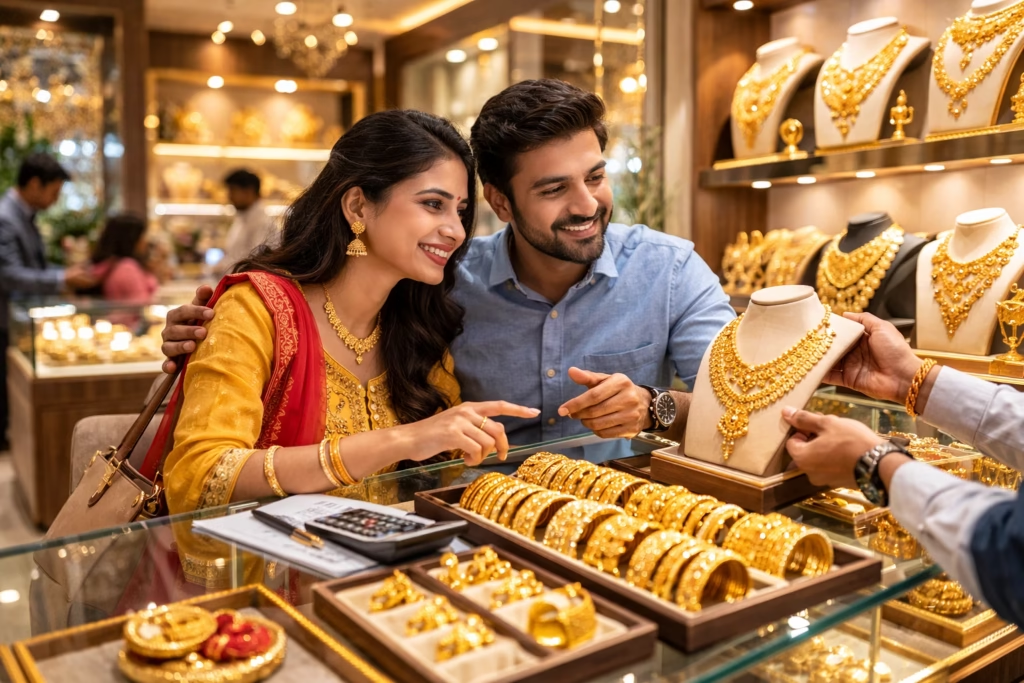

Electronic Gold Receipts (EGRs) could transform gold investing in India. Learn how EGRs work, risks, tax, ETFs comparison, and future potential.
Loading live gold market intelligence...
📌 QUICK SUMMARY
- Electronic Gold Receipts (EGRs) represent real gold stored in regulated vaults
- EGRs can be traded electronically through exchanges like NSE
- They reduce purity concerns, making charges, and storage risks
- EGRs are different from Gold ETFs and Digital Gold apps
- India’s gold market modernization could increase EGR adoption in the future
- Liquidity and awareness remain early-stage challenges
India may be entering one of the biggest gold investing transformations in decades — yet most investors still have no idea what Electronic Gold Receipts (EGRs) actually are.
For generations, Indian households have trusted gold during uncertain times. Whether it is inflation, market fear, weddings, or family savings, gold has remained deeply connected with financial security.
But traditional gold ownership also creates several problems:
- Making charges
- Locker fees
- Purity concerns
- Resale deductions
- Theft risks
Now, India’s financial system is trying to modernize gold investing through Electronic Gold Receipts (EGRs) — a framework designed to make gold ownership more transparent, digital, and exchange-driven.
📚 Table of Contents
- What Are Electronic Gold Receipts?
- Why India Introduced EGRs
- How EGRs Work
- EGR vs Gold ETF
- EGR vs Physical Gold
- Benefits of EGRs
- Risks of EGRs
- How To Buy EGRs
- Taxation of EGRs
- NSE’s Role in EGR Ecosystem
- Future Potential of EGRs
- Who Should Invest?
- FAQs
- Final Verdict
What Are Electronic Gold Receipts (EGRs)?
Electronic Gold Receipts (EGRs) are digital representations of physical gold stored in approved vaults.
Instead of holding jewellery or coins at home, investors can own gold electronically through a demat account.
When investors buy EGRs:
- Actual gold is stored in regulated vaults
- Electronic ownership is created
- Receipts are credited to demat accounts
- Investors may buy or sell through exchanges
Why India Introduced Electronic Gold Receipts
India is one of the world’s largest gold consumers. According to the World Gold Council, India consistently remains among the top global markets for gold demand.
However, India’s traditional gold ecosystem remains fragmented.
- Fake gold scams
- Inconsistent purity
- Unclear resale value
- Unorganized pricing
- High making charges
Electronic Gold Receipts aim to formalize this market through exchange infrastructure.
How Electronic Gold Receipts Work
Step 1: Gold Is Deposited in Vaults
Approved vault managers store standardized gold after verification.
Step 2: Electronic Receipt Is Created
Once verified, an Electronic Gold Receipt is generated representing ownership of the stored gold.
Step 3: EGR Is Credited to Demat Account
The electronic receipt is credited to the investor’s demat account similar to shares or ETFs.
Step 4: EGRs May Be Traded
Investors may eventually buy or sell EGRs through exchange platforms.
👉 Beginner investors can also read: how to buy EGR in India
EGR vs Physical Gold
| Feature | EGR | Physical Gold |
|---|---|---|
| Locker Needed | No | Yes |
| Theft Risk | Very Low | High |
| Making Charges | No | Yes |
| Exchange Trading | Yes | No |
EGR vs Gold ETF
| Feature | EGR | Gold ETF |
|---|---|---|
| Represents Physical Gold | Yes | Indirectly |
| Demat Required | Yes | Yes |
| Liquidity | Developing | High |
For detailed ETF comparisons, check: EGR vs Gold ETF
Also compare sovereign bonds here: EGR vs SGB
Benefits of Electronic Gold Receipts
- Lower theft risk
- No making charges
- Digital ownership convenience
- Transparent exchange pricing
- Reduced purity concerns
- Potentially easier liquidity
Risks of Electronic Gold Receipts
1. The Ecosystem Is Still New
Awareness remains extremely low, and many investors still do not fully understand how EGRs function.
2. Liquidity Could Remain Weak Initially
Gold ETFs already dominate exchange-based gold investing, which may limit early EGR trading activity.
3. Indians Still Emotionally Prefer Jewellery
In India, gold is connected to weddings, gifting, and family traditions — not just investing.
4. Regulations and Taxation Could Evolve
Always verify updated information through SEBI and NSE India.
👉 Explore complete analysis: EGR benefits and risks
How To Buy Electronic Gold Receipts in India
- Open a demat and trading account
- Choose a supported broker
- Search for EGR products
- Place buy order
- EGR ownership appears in demat account
Taxation of Electronic Gold Receipts
Taxation rules for EGRs may continue evolving as the market matures.
Potential taxation categories may include:
- Short-term capital gains
- Long-term capital gains
Investors should consult qualified tax professionals for updated guidance.
👉 Detailed guide: EGR taxation rules
Track financial updates through Reserve Bank of India.
NSE’s Role in the EGR Ecosystem
The National Stock Exchange helps provide:
- Trading systems
- Transparency
- Settlement infrastructure
- Market confidence
This could eventually formalize a significant part of India’s fragmented gold market.
Real Example: Why Investors May Consider EGRs
Suppose Rahul wants to invest ₹1 lakh into gold.
Traditional Jewellery Purchase
- Making charges
- Locker fees
- Resale deductions
- Purity uncertainty
Electronic Gold Receipts
- Vaulted gold backing
- Digital ownership
- Lower physical handling risk
- Exchange transparency
💳 Smart Gold Buying Strategy
👉 If you are buying from Tanishq / Titan
→ 🥇 Tata Neu Infinity SBI (highest reward potential)
👉 If you are buying from most jewellery stores
→ 🥈 HDFC Regalia Gold (best flexibility + rewards balance)
👉 If you spend ₹10L+ yearly
→ 🥉 Axis Magnus (premium optimization strategy)
⚠️ Always verify whether gold purchases qualify for reward points.
📘 Related Reading
Stop Overthinking: A 7-Day Reset to Calm Your Mind and Take Back Control
Frequently Asked Questions (FAQs)
Are Electronic Gold Receipts safe?
EGRs are designed to improve transparency through regulated vault systems and exchange infrastructure.
Can EGRs replace physical gold?
Probably not fully because physical gold remains deeply connected to Indian culture and emotional ownership.
Is EGR better than Gold ETF?
Gold ETFs currently offer stronger liquidity, while EGRs are more directly connected to vaulted physical gold.
Do EGRs have making charges?
No. EGRs eliminate jewellery-style making charges.
Do I need a demat account for EGRs?
Yes, EGR ownership is electronic and demat-based.
Final Verdict: Could EGRs Become the Future of Gold Investing?
Electronic Gold Receipts (EGRs) could become one of the most important long-term developments in India’s gold investment ecosystem.
They combine:
- Digital convenience
- Standardized ownership
- Reduced storage risks
- Exchange transparency
For younger investors who increasingly view gold as a financial asset rather than only jewellery, EGRs may eventually become a compelling alternative.
However, challenges remain:
- Low awareness
- Liquidity concerns
- Evolving regulations
- Emotional preference for physical gold
Disclaimer
This article is for educational purposes only and should not be considered financial advice. Please consult a registered financial advisor before investing.

Vipin Gandhi
Founder & Editor-in-Chief — Ecobeko
Vipin Gandhi is a financial markets and global economy analyst covering gold prices, oil markets, LPG price changes, inflation, commodities, and consumer finance. He reports on economic developments that affect households, investors, and businesses.
His work focuses on explaining complex financial news in a clear and practical way so readers can better understand global market trends and their impact on everyday life.