
Last updated on March 20th, 2026 at 08:50 am
Gold prices in India move daily due to global markets, USD strength, inflation, interest rates, and investor demand. Here’s what really drives gold rates
Gold is one of the most closely tracked assets in India. Investors, jewellery buyers, & financial analysts monitor gold prices daily because they reflect global economic conditions, inflation expectations, and currency movements.
Understanding why gold prices change in India can help investors make smarter financial decisions and avoid reacting emotionally to short-term market fluctuations. Gold prices move due to several factors including international gold prices, domestic demand, currency movements, and macroeconomic trends.
For readers tracking daily market movements, you can also check the latest update on Gold Price Today in India where we publish the most recent gold rates and market updates.
Table of Contents
ToggleGlobal Markets and Why Gold Prices Change in India
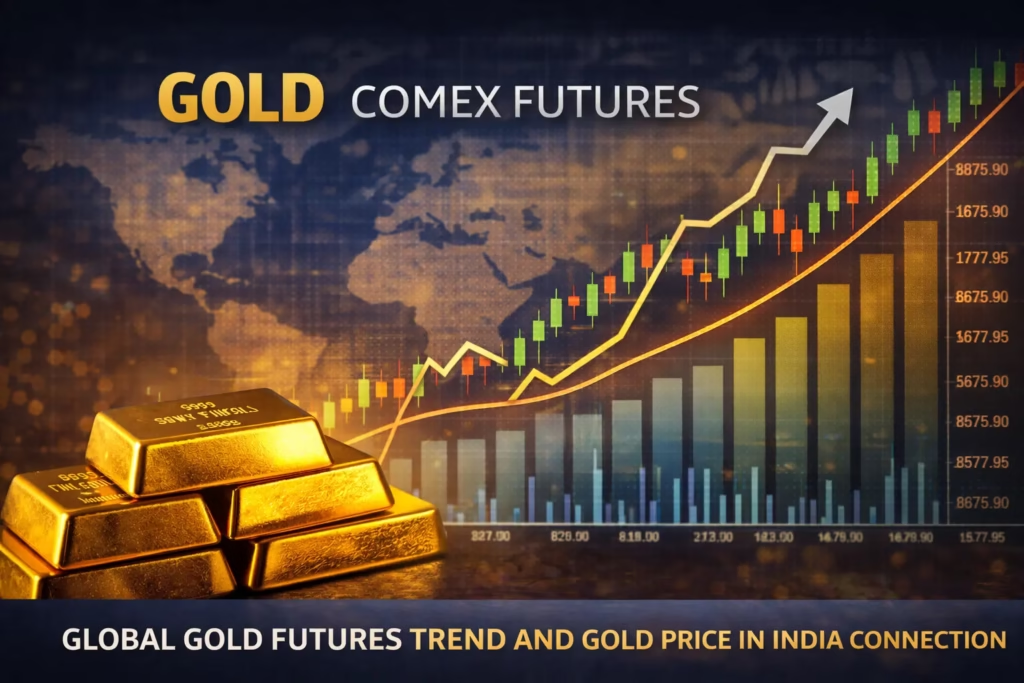
One of the biggest reasons why gold prices change in India is the influence of global gold markets.
Gold is traded internationally in US dollars per ounce. Since India imports most of its gold, domestic prices closely follow global price trends.
When global uncertainty rises due to economic instability, geopolitical tensions, or financial market volatility, investors often move money into gold as a safe-haven asset. This increased demand pushes prices higher.
According to the World Gold Council, global gold demand often increases during periods of economic uncertainty as investors move toward safe-haven assets.
Currency Movements and Gold Prices
Another major factor explaining why gold prices change in India is the movement of the Indian rupee against the US dollar.
Because gold imports are priced in dollars, a weaker rupee increases the cost of importing gold. As a result, domestic gold prices often rise when the rupee weakens.
On the other hand, a stronger rupee can sometimes reduce the impact of rising international gold prices.
Economic indicators such as inflation and currency trends monitored by the Reserve Bank of India can also influence investor demand for gold.
Inflation and Why Gold Prices Change in India
Inflation plays a key role in understanding why gold prices change in India. During periods of rising inflation, many investors purchase gold to protect their purchasing power.
Gold has historically been viewed as a hedge against inflation because it tends to preserve value when the cost of living rises.
Many households adjust their savings strategies when inflation increases. Readers interested in understanding how families respond to rising prices may explore the guide “How Indian Households Protect Savings During Inflation.” The resource explains practical ways households manage financial planning during inflationary periods.
Domestic Demand and Cultural Influence
India has one of the largest gold markets in the world. Seasonal demand is another reason why gold prices change in India.
Demand for gold often increases during:
- wedding seasons
- festivals such as Diwali and Akshaya Tritiya
- major cultural celebrations
During these periods, increased buying activity can push gold prices higher.
Interest Rates and Investment Demand
Interest rates also influence why gold prices change in India.
When interest rates are low, investors often shift money into assets like gold because traditional savings instruments offer lower returns.
However, when interest rates rise significantly, some investors may move funds toward interest-bearing assets such as bonds or fixed deposits.
Understanding these economic signals helps investors interpret market movements more effectively.
Investor Psychology and Market Volatility
Market volatility often causes investors to overthink financial decisions. Rapid price changes can lead to emotional reactions, especially for people closely watching daily market movements.
Learning to stay calm during volatile markets can help investors avoid impulsive decisions. Readers interested in managing financial stress and improving decision-making may find the guide “Stop Overthinking: A 7-Day Reset to Calm Your Mind and Take Back Control” helpful. The book focuses on simple strategies to reduce decision fatigue and maintain clarity when making financial choices.
Why Investors Follow Gold Markets
Gold prices often reflect broader economic sentiment. Investors track gold markets closely to understand changes in inflation expectations, currency movements, and geopolitical developments.
Some of the key indicators investors monitor include:
- inflation trends
- global economic outlook
- central bank policies
- currency fluctuations
- geopolitical tensions
These factors collectively explain why gold prices change in India and why gold continues to be a popular asset for long-term wealth protection.
Should You Buy Gold Now?
Whether someone should invest in gold depends on their financial goals, risk tolerance, and long-term strategy.
Some investors view gold as a hedge against inflation and economic uncertainty, while others buy gold mainly for jewellery or cultural purposes.
If you want to explore investment considerations further, you may also read:
Frequently Asked Questions
Why gold prices change in India daily?
Gold prices change daily in India because they are influenced by international gold markets, currency movements, inflation expectations, and domestic demand.
Does inflation affect gold prices in India?
Yes. Inflation often increases demand for gold because investors view it as a hedge against rising prices.
Why does the rupee affect gold prices?
Gold imports are priced in US dollars. When the rupee weakens against the dollar, importing gold becomes more expensive, which pushes domestic gold prices higher.
Is gold a good investment during economic uncertainty?
Many investors consider gold a safe-haven asset during periods of economic uncertainty because it tends to retain value when financial markets become volatile.
Related Resources for Investors
Understanding why gold prices change in India is only one part of managing personal finances.
Readers interested in improving their financial knowledge may also explore:

Vipin Gandhi
Founder & Editor-in-Chief — Ecobeko
Vipin Gandhi is a financial markets and global economy analyst covering gold prices, oil markets, LPG price changes, inflation, commodities, and consumer finance. He reports on economic developments that affect households, investors, and businesses.
His work focuses on explaining complex financial news in a clear and practical way so readers can better understand global market trends and their impact on everyday life.


Pingback: Should You Buy Gold Now? Complete Guide For Indian Buyers